Quick answer: On Oct 19, 2026, Microsoft argued that businesses should treat AI agents like insiders: helpful, but able to make mistakes, be manipulated or be compromised. The same week, researchers found Meta’s Muse assistant exposing shared conversations, and the AI coding tool OpenCode reported a breach that exposed some customers’ AI service API keys. For small and mid-size businesses, the takeaway is simple: give AI tools only the access they need, keep secrets out of shared links, and keep a human in the loop for anything consequential.
Three stories from one week
1. Microsoft: agents are “your newest insiders.” In an Oct 19 post, Microsoft’s Nadim Abdo wrote that agents “can make mistakes, be manipulated, or be compromised,” and that the controls deciding what an agent can do should sit outside the model. Microsoft announced features that start agents with minimal permissions, grant access per task, score each agent’s risk continuously and require human review for high-impact actions. (Microsoft Security Blog, SecurityWeek)
2. Meta Muse share links were discoverable. Ars Technica reported on Oct 20 that researchers at Claroc found 6,800 shared Muse conversation links through public DNS records, because the conversation title sat in the web address. Among a few hundred they opened were a small-business owner’s loan application, a company revenue review and a staff vacation calendar. Meta told Ars it has paused the sharing feature while it reviews the report. (Ars Technica)
3. OpenCode breach exposed API keys. Axios reported on Oct 21 that OpenCode, an open-source AI coding agent, said it was compromised over the weekend and attackers obtained some customers’ API keys for OpenAI, Anthropic and Google services. OpenCode said it affected 1.4% of its Console users, and the AI providers said they worked with affected customers to revoke keys and address unauthorized charges. (Axios)
Jargon, decoded
- AI agent: An AI tool that doesn’t just answer questions but takes actions, like sending emails, filling forms, booking things or editing files.
- Least privilege: Giving a person or tool only the access it needs for the job, and nothing extra.
- API key: A password-like code that lets software use a paid service. If it leaks, someone else can run up your bill or reach your data.
- Human in the loop: A person approves an action before the AI carries it out.
What this means for your business
You don’t need an enterprise security stack to apply the same principles:
- Make a list of the AI tools your team uses. Include browser extensions, chat assistants and anything connected to email, files or finance. Note who owns each one.
- Trim permissions. If an assistant only needs to read a shared folder, don’t connect it to your whole mailbox and drive.
- Treat share links as public. Assume anything shared by link could be found by someone else. Keep financials, client data and HR details out of shareable AI chats.
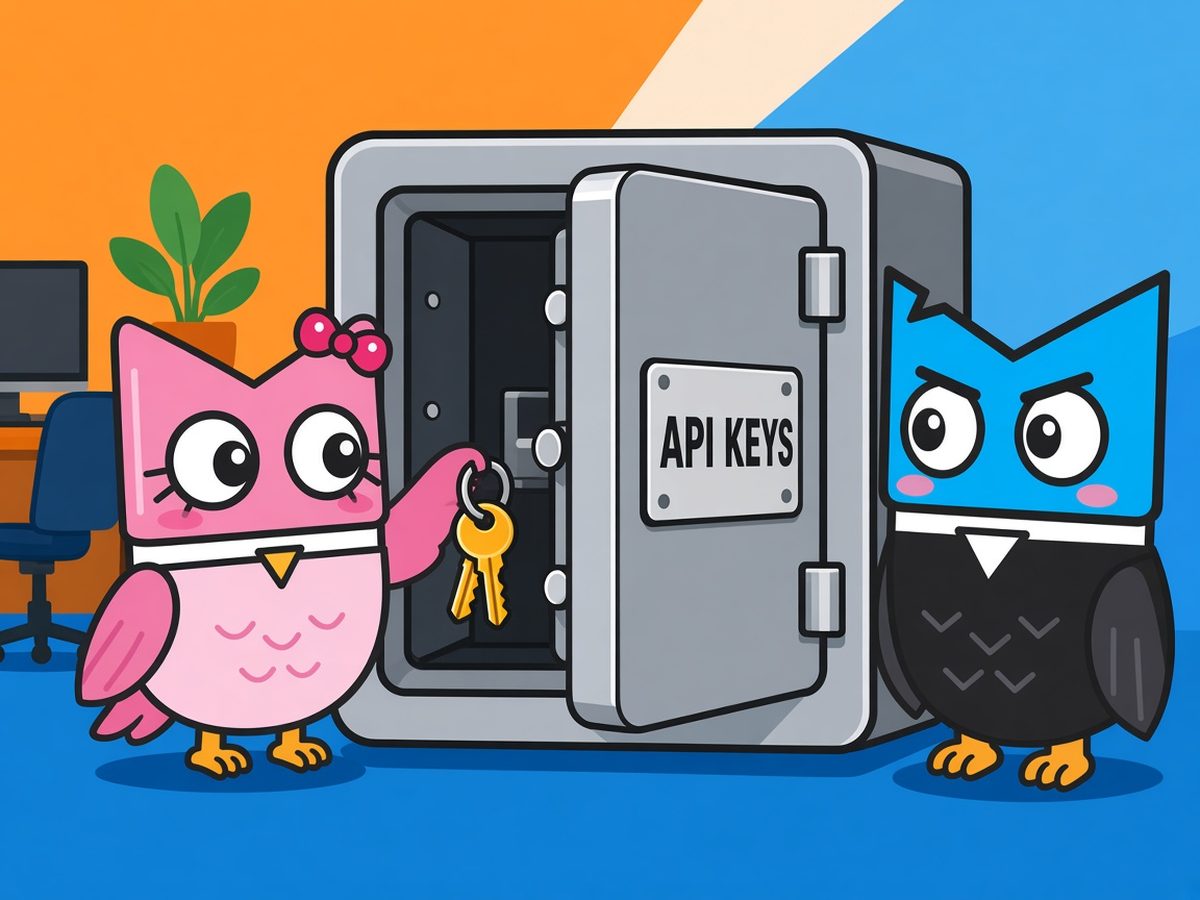
- Guard API keys like bank passwords. Store them in a proper secrets vault, set spending limits with your AI provider and know how to revoke a key fast.
- Require approval for money and data moves. Payments, deletions, external emails and bulk exports should need a human sign-off.
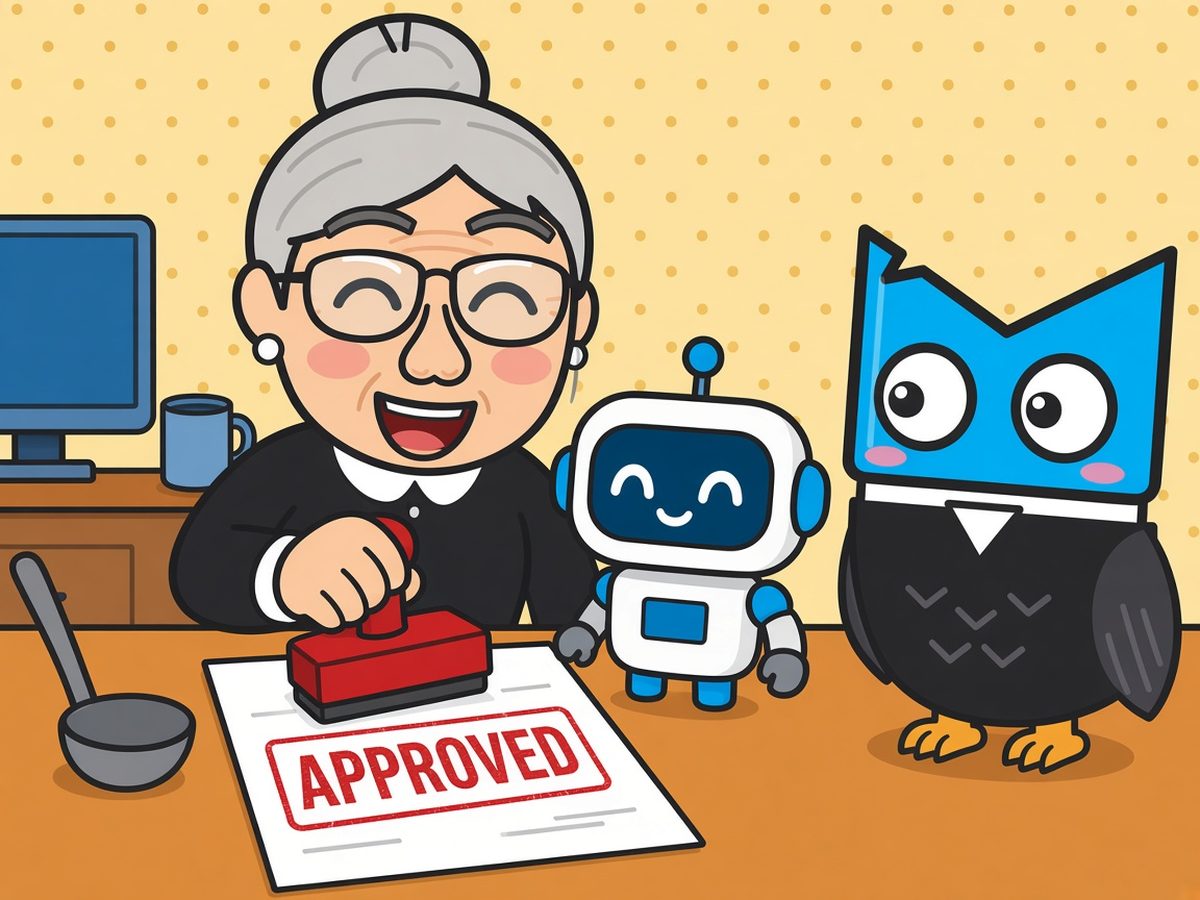
- Write a short AI use policy. One page that says which tools are approved and what data can go into them goes a long way.
How Moo IT helps
Rocky watches the office so Nonna’s sauce stays safe; we help businesses keep the same kind of eye on their AI tools. Moo IT helps with AI policy and tool reviews, safer AI deployments with sensible permissions, and custom AI bots built and managed with guardrails in mind.
- AI security
- AI consulting
- AI bot development
- Custom AI programming
- Microsoft 365
- Cybersecurity services
FAQ
Should we stop using AI agents? No. The point is to use them with the same care you’d give a new employee: clear access limits, oversight and a way to shut off access quickly.
Is Meta Muse still leaking links? Meta told Ars Technica it paused the sharing feature while it reviews the report.
What’s the fastest win? List your AI tools and cut any access they don’t clearly need.
Want a second set of eyes on your AI tools?
Contact Moo IT for a practical review of how your team uses AI and where to tighten things up.